


Boddle: Math & Reading Game
4.41.24K Reviews
App Specs
- Version
- 1.40.0
- Updated On
- License
- Free
- Downloads
- 500,000+
- Developer
- Boddle
- Categories
- Educational
- Platform
- Android, iOS
Screenshots
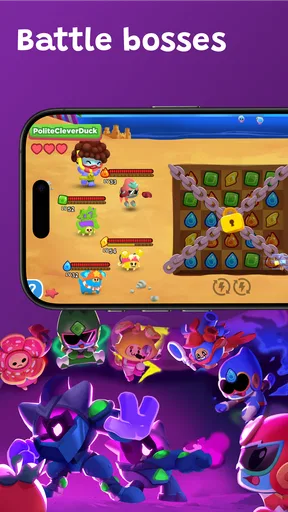
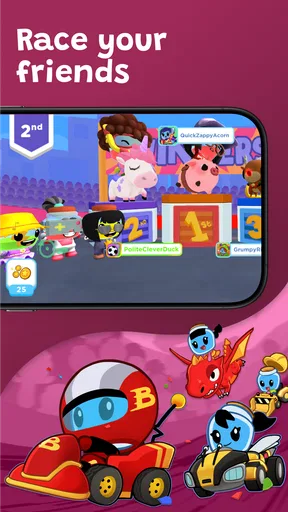
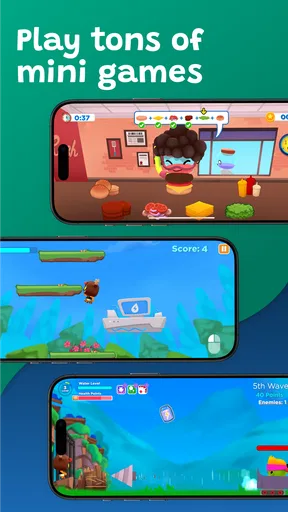
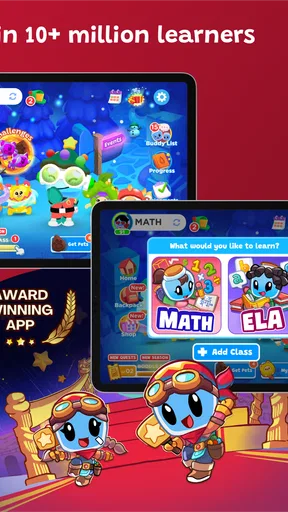
 Analysis by AppCompare
When I look for a learning game for a child, I want more than a bright screen and a pile of questions. I want practice to feel approachable, while still giving a child a reason to keep going when a problem takes effort. Boddle is an educational game from Boddle that puts math challenges inside a playful world, with a character and rewards giving practice a game-like shape. I find that combination most useful for short sessions: a child can get started without feeling as if they have sat down for another formal lesson.
The game also reaches beyond math in its broader learning focus, including reading and science. That makes it worth considering for families who want an educational activity that feels more varied than a single-purpose worksheet app. It is free to download, though it offers in-app purchases priced from $0.99 to $69.99 per item, so I would check the purchase options before handing over a device. For a family deciding whether it fits, the main question is not whether it can replace teaching; it is whether its game structure helps a particular child practice willingly and consistently.
What Keeps Practice Moving?
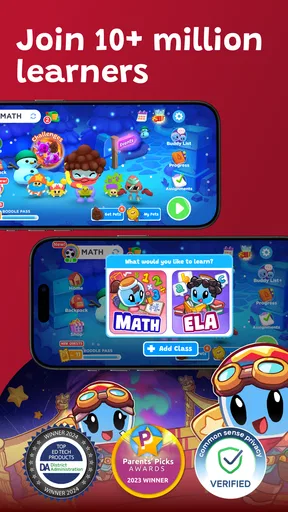
If you’ve got little ones at home who need a bit of a nudge when it comes to math, Boddle might just be your new best friend. It’s a gamified learning platform that combines math practice with a colorful, interactive world. Think of it as a math classroom, but without the chalk dust and with a lot more fun.
The app is designed for kids from kindergarten through sixth grade, making it a versatile tool for a wide age range. What’s cool is how it adapts to each child’s learning pace, ensuring that no one is left behind or zooming too far ahead. This personalized touch is key in keeping kids motivated and confident in their skills.
Early Goals That Make Starting Easier
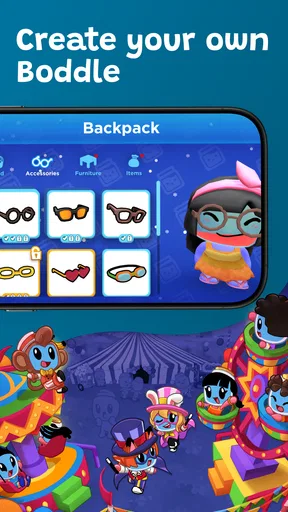
Diving into the game itself, Boddle’s world is vibrant and full of quirky characters that kids will love. Players get to create their own Boddle character, which they can customize and upgrade as they progress. This element of personalization adds a sense of ownership and excitement to the learning process.
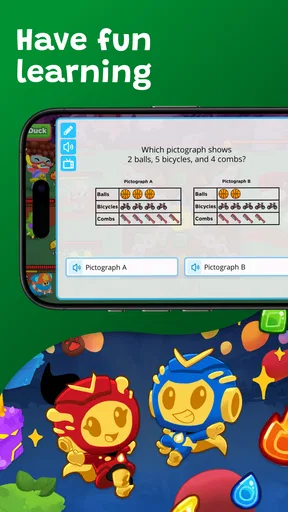
The game is structured around completing math challenges that are cleverly woven into the storyline. These challenges are designed to cover a wide array of topics, from basic addition and subtraction to more advanced concepts like fractions and decimals. The variety ensures that kids get a comprehensive math education without even realizing they're learning!
For an early session, I would keep the goal modest: let the child get comfortable with the character and complete a small amount of practice, rather than turning the first try into a test of endurance. That gives the playful setup room to do its job. A child who enjoys choosing a character may be more willing to begin, but the useful habit is still the practice itself. I’d treat outfit changes and other customization as a little celebration after a learning task, not as the whole point of opening the game.
Worth Reading Before You Choose

EA SPORTS FC Mobile 26 Is a Bigger Football Game, but It Takes Time

Flipboard Shows What News Apps Must Do Beyond the Feed

Switching to Android Auto Means Rethinking Your Driving Routine

Google Calendar Makes a Crowded Week Easier to Manage

Ludo King Makes the Most of the Minutes Between Plans

Baby Panda World Brings Quick Play to Modern Phones, but Its Game Library Feels Busy
This is also where expectations matter. A game world can lower the resistance a child feels toward math, but it does not make every concept instantly easy. When a child pauses or gets something wrong, I would invite them to explain how they approached the question before moving on. That brief conversation helps an adult see whether the difficulty is a momentary slip or a concept that needs more patient explanation away from the screen.
Progress Signals, Not Just Rewards
One feature I found particularly impressive is the real-time feedback. As kids solve problems, they receive instant feedback, helping them to understand mistakes and learn from them immediately. It’s like having a personal tutor right in your pocket.
The practical value of immediate feedback depends on what happens next. I would encourage a child to slow down after an incorrect answer and think about the step that caused the mistake, instead of tapping through simply to reach another reward. That small change turns a quick response into a learning cue. For younger children especially, sitting nearby for the first few sessions can help them connect the feedback to the underlying math rather than treating it as a signal to hurry.
Parents can make the game more useful by pairing play with a short check-in. Ask the child which type of question felt easy and which one made them stop and think. The aim is not to interrogate them after every round, but to notice patterns over time and decide whether they need encouragement, a quieter session, or a bit of help with a particular idea. Boddle can make practice more inviting; an adult’s attention is what helps translate that practice into a thoughtful routine.
Difficulty and the Pace of a Session
The range from basic arithmetic to topics such as fractions and decimals gives the practice room to feel relevant as a child develops. A broad range is helpful, but it also means parents should pay attention to how a particular child responds. If the challenge feels too simple, the child may lose interest; if it feels too demanding, the playful rewards may not be enough to prevent frustration. I would use the child’s mood and willingness to explain their answers as signals, rather than assuming that a game session is automatically productive because it continues.
A realistic use case is a short after-school break before homework, when a child has enough energy for a few questions but not for a full lesson. I’d set a clear stopping point in advance, then let the child play and talk briefly about one problem afterward. This avoids making the app compete with homework or family time, while still giving the child a regular opportunity to practice. If they are tired or upset, it is better to stop than to push through just to collect more rewards.
Compared with a plain worksheet or a drill-focused math app, Boddle’s character and game setting may be a better entry point for a child who resists conventional practice. A worksheet, however, can be calmer and easier for an adult to review together, while a focused drill tool may be preferable when the only goal is repeated practice on a specific skill. I see Boddle as a way to make starting easier, not as a universal replacement for those alternatives. Families should choose the format that matches the child’s attention, the learning goal, and the kind of support available at home.
Rewards, Friends, and Healthy Motivation
Now, let’s talk about why kids are hooked. First off, there’s the reward system. Completing challenges earns kids coins, which they can use to buy outfits and accessories for their Boddle character. This gamified reward system is a genius way to keep kids motivated and eager to tackle more math problems.
Then there’s the social aspect. Kids can connect with friends, challenge each other, and even join teams. This not only makes math more fun but also introduces a healthy level of competition and collaboration. It’s like a mini math community where kids feel supported and encouraged to improve.
Rewards can help a child return to a task, but I would keep an eye on what they are returning for. If the first question is always about coins or clothing, try agreeing on a small practice goal before the session and talk about the learning afterward. That does not mean the reward system is a flaw; it means adults can help keep the learning in view. A useful trade-off is that game incentives may make repetition feel less like a chore, while also making it tempting to focus on collecting rather than understanding.
The social elements may suit a child who enjoys sharing a playful activity with friends or being part of a team. They may be less appealing to a child who prefers to work alone, gets anxious about comparison, or finds competition discouraging. I would let a child’s temperament guide how much importance the family gives that side of the game. Collaboration and friendly challenges can be motivating, but they should not become pressure to perform or a reason to measure one child against another.
Using Parent Information Well
As a parent, keeping track of your child’s progress is crucial, and Boddle has got you covered. The app provides detailed reports that show exactly where your child excels and where they might need a little extra help. It’s all about making sure that learning is effective and tailored to each child’s needs.
Reports are most helpful when treated as a guide for the next conversation, not as a verdict on a child’s ability. If a report points to an area that seems difficult, I would ask the child what they remember about those questions and watch how they approach a similar task. A single session can reflect attention or mood as much as understanding; looking for a recurring pattern is a more sensible way to decide whether extra practice is needed.
It can also help to use the information to keep practice focused. Rather than asking a child to spend a long time in the game, a parent can pick one area to discuss and then let the child return to play. This makes the reports actionable without turning the app into a second school day. For a caregiver who wants visibility into a child’s practice, that kind of overview is a meaningful advantage over handing over a worksheet and hoping it gets completed.
Cost, Suitability, and Everyday Fit
Plus, there are no ads. Yes, you heard that right! In a world where every free app seems to bombard kids with ads, Boddle provides a safe, advertisement-free environment. Parents can breathe a sigh of relief knowing their kids aren’t being distracted or exposed to unnecessary content.
Boddle is free to play, but the available in-app purchases make it sensible to review purchase settings and talk with a child about what is optional before they start. The presence of paid items does not mean a family has to buy something to try the game. It does mean that “free” should not be mistaken for “without purchase prompts or paid extras.” I would establish expectations beforehand, especially if the child can use the device without an adult nearby.
The game is rated Everyone, and its current version is 1.30.1; it requires Android 9 or later on Android devices. It has an average rating of 4.3 from around 2,600 ratings, with over 500,000 installs. Those figures suggest that many families have tried it, but they cannot tell me whether it will suit one particular child. I would decide based on the child’s response to the character-based format, the kinds of practice they need, and whether a parent can help keep sessions balanced.
It is a particularly natural fit for a child who responds to playful goals, likes personalizing a character, and benefits from immediate feedback while practicing. It may be a weaker choice for a child who wants a quiet, screen-free activity, needs direct one-to-one instruction, or becomes upset by competitive elements. In those cases, working through problems together on paper or using a more focused, less game-like resource may be a better match. The useful question is not whether one format is universally superior; it is which one makes this child more willing and able to engage with the work.
How to Keep the Game in Its Place
I would make the most of Boddle by connecting play to a predictable moment, such as a brief practice break after school, and by ending while the child still feels willing to return another day. A routine is more valuable than an occasional marathon session. If a child starts treating every session as a race to earn rewards, shift attention back to explaining one answer or noticing a skill that has become easier. If they are eager to play but avoid talking about the questions, an adult’s gentle involvement can restore that balance.
One small but useful approach is to alternate between game practice and a real-world example. After working with numbers in the game, a parent might ask the child to estimate a total while helping with a simple household task, or to explain a fraction using something familiar. This is not a special feature; it is a way of checking whether the child can carry an idea beyond the screen. It also helps families avoid expecting any educational game to do all the teaching on its own.
As an educational game developed by Boddle, it sits between entertainment and structured practice. The broader focus on math, reading, and science could appeal to families seeking more than one learning subject in a playful setting, while the math challenges and customization give children a clear reason to explore. Still, a child who needs an adult to teach a difficult concept may need that help alongside the app, and a child who dislikes game-based learning may do better with a quieter alternative.
My Take on Its Progression
To wrap it up, Boddle is more than just a learning app. It’s an interactive experience that turns math from a chore into an adventure. The combination of personalized learning, engaging gameplay, and a supportive community makes it a top choice for parents looking to boost their child’s math skills.
So, if you’re on the lookout for an educational tool that combines learning with play in a seamless and enjoyable way, give Boddle a try. It might just be the key to unlocking your child’s love for math.
My recommendation comes with a practical condition: use it as one part of a child’s learning routine, and stay curious about how the child is responding. Character customization and rewards offer an approachable reason to begin; challenges and feedback give practice its substance; parent reports can help guide follow-up. The progression is most persuasive when a child is gradually becoming more comfortable with the work, not simply spending longer in the game. I’d try it with a clear, short session and see whether the child wants to return for the questions as well as the game world.
Pros
- Engaging educational content for kids.
- Interactive 3D graphics enhance learning.
- Customizable avatars add fun.
- Adaptive learning adjusts to child's level.
- Safe
- ad-free environment for children.
Cons
- Limited subjects covered so far.
- Requires internet connection to play.
- Occasional glitches in app navigation.
- Some features are behind paywalls.
- Limited parental control options.
FAQs for Boddle: Math & Reading Game
What is the main objective of Boddle?
Boddle is an educational app designed to make learning math fun and engaging for children. By using a gamified approach, it encourages kids to solve math problems through interactive gameplay. The app aims to improve mathematical skills in an enjoyable way, making it easier for children to grasp complex concepts.
Is Boddle suitable for all age groups?
Boddle is primarily designed for children in elementary school, typically ages 6 to 11. The content is tailored to match the curriculum and learning needs of this age group. However, parents and educators can adjust the difficulty level to suit the child's learning pace, making it versatile for various skill levels.
Does Boddle require an internet connection to function?
While Boddle offers some features that can be accessed offline, a stable internet connection is recommended to fully utilize all aspects of the app. This includes real-time progress tracking, access to the latest content updates, and the ability to participate in online challenges and leaderboards.
How does Boddle ensure a safe environment for children?
Boddle prioritizes child safety by implementing several protective measures. The app complies with COPPA regulations, ensuring that personal information is secured. Additionally, the platform is ad-free and does not allow external communication, providing a controlled and safe learning environment for young users.
Are there any subscription fees for using Boddle?
Boddle offers a freemium model, where basic features are available for free. However, to access premium content and additional features, users can opt for a subscription. The subscription provides enhanced learning tools and more personalized experiences, which can be beneficial for comprehensive learning.


